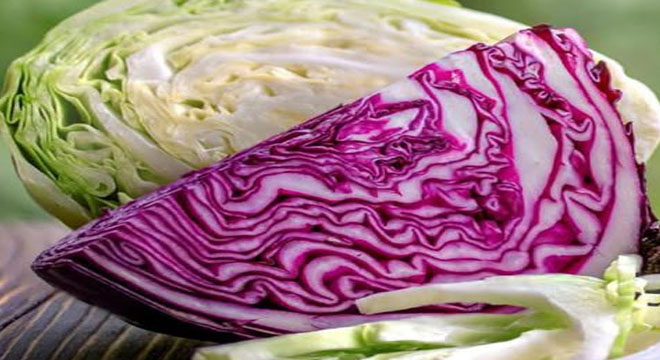
Cabbage is a nutritious vegetable, rich in vitamins C and K, fiber, and antioxidants, making it very good for health.
However, many people are unaware that some individuals may experience serious health problems if they consume it incorrectly.
- Part 2: “He’s Bit Three Volunteers. Nobody Goes In That Kennel.” I Opened the Door Anyway — and the Dog Wasn’t Guarding Rage.

When I moved closer to the doghouse, Bishop did not bite.He pressed his body sideways against the opening and trembled […]
- I planned everything — even my dad’s favorite dessert. My parents texted:

By the time my mother’s message came through, everything had already been handled with the kind of precision I’d […]
Uncontrolled cabbage consumption can worsen acid reflux, increase the risk of kidney stone recurrence, hinder iodine absorption in people with hypothyroidism, or reduce the effectiveness of anticoagulant medications.
4 GROUPS OF PEOPLE WHO SHOULD LIMIT OR BE CAUTIOUS WHEN EATING CABBAGE
1. People taking anticoagulant medication (Warfarin)
– Cabbage is rich in vitamin K – a substance that increases blood clotting, which can reduce the effectiveness of Warfarin if consumed in large quantities or irregularly.
– Recommendation: It’s not necessary to completely avoid cabbage, but a consistent amount should be consumed each week so that the doctor can adjust the medication dosage accordingly.
2. People with a history of calcium-oxalate kidney stones
– Cabbage contains oxalates – compounds that can combine with calcium in urine and form stones.
– Recommendation:
 Avoid eating it too often, and drink plenty of water to dilute the oxalate concentration.
3. People with hypothyroidism or undergoing treatment for hypothyroidism
– Cabbage, belonging to the Brassicaceae family, contains goitrogens – substances that can inhibit iodine absorption if eaten in excess or raw.
– Recommendation:
Cook thoroughly; do not eat raw.
Avoid eating large amounts daily and do not eat it close to the time you take levothyroxine medication.
4. People with bloating and irritable bowel syndrome (IBS)
– Cabbage is a food high in FODMAPs, which ferments easily in the intestines, producing a lot of gas → causing:
 Bloating, abdominal pain, excessive flatulence
Worsening IBS symptoms
– Recommendation: Limit or eat in small amounts, preferably cooked thoroughly, avoid eating raw or pickled cabbage.
SO HOW MUCH CABBAGE IS ENOUGH?

Healthy people:
– Eating cabbage 3-4 times/week is reasonable
– Prioritize boiling, steaming, or lightly stir-frying to reduce gas production and aid digestion
– You can eat it with ginger and garlic to help combat bloating
– Avoid eating too much raw cabbage, especially in the evening or on an empty stomach