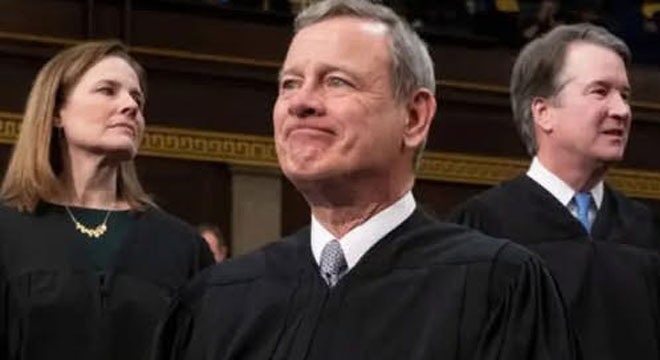
The Supreme Court, in a 7–2 ruling in #Bufkin v. Collins, said courts must defer to the VA’s decisions unless there’s a “clear error,” effectively narrowing how the long-standing “benefit-of-the-doubt” rule can help veterans when evidence is evenly balanced.
The case involved two veterans, Joshua Bufkin and Norman Thornton. Bufkin was denied PTSD compensation amid conflicting medical opinions; Thornton sought a higher PTSD rating and lost. Under the new standard, the Veterans Court’s review is limited to clear-error scrutiny of VA fact-finding.
- ‘Dr. Pimple Popper’ Star Hospitalized After Experiencing Stroke During Filming

Sandra Lee, widely known as the host of the television series Dr. Pimple Popper, has spoken publicly about a serious […]
- I Helped My 82-Year-Old Neighbor With Her Yard. The Next Morning, the Sheriff Was at My Door With a Request I Didn’t See Coming. – AMERICAN WONDERHUB

I had no idea that my simple act of kindness was being watched. When the sheriff arrived the next morning, my heart […]
Justices Ketanji Brown Jackson and Neil Gorsuch dissented, warning the decision tilts the system against veterans who already face steep proof hurdles for service-connected conditions.
Veterans’ advocates say denials may rise and appeals will get tougher, and they’re urging Congress to restore stronger protections for claimants. The ruling marks a significant shift in veterans’ law that could discourage some from filing claims at all.